Work Therapy in Recovery Programs
Rescue missions, Salvation Army centers and other types of recovery programs depend on labor provided by people in their facilities to do a variety of tasks that are essential to their operations. Men and women in recovery programs can be found in kitchens, performing housekeeping and maintenance tasks, providing office support, and driving trucks to pick up donations. Certainly, we value the services they provide. Equally important, though, is the need to give additional meaning to their efforts by creatively using their work assignments to invest in their lives. What follows is a list of some ways this can be accomplished:
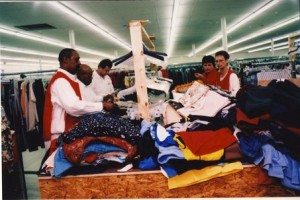
A. Develop a purpose statement for work projects — We need to have a definite philosophical basis for every activity in which we involve program participants that is both spiritually sound and “therapeutic.” In other words, we need an official statement that establishes the fact that we are not just looking for free labor, but rather that the work they do really is intended to help them. If people in our programs feel used, they are certain to shut themselves down to the recovery process. The mission is there for the clients, they are not there for the mission!
Work Therapy in Recovery Programs Read More »


 For Christian programs that work to help addicts, the primary goal is to help them to become integrated into two vital communities — the Church and the recovery community. If our goal is truly to work ourselves out of a job, then we must make sure we are spending enough time and energy preparing our clients for life after our programs. If we don’t, we have done them a great disservice. No matter how success we are with newly sober clients, they will still leave or programs as struggling baby Christians. We must be sure that these new believers knows where to find help when they experiences struggles, even 2, 5, 10 years and more in the future, no matter where they live.