Making Good Referrals
When people look to addiction counselors for help, they come with a wide variety of needs. These include:

- food, clothing and shelter
- job counseling and training
- legal assistance
- literacy training and other educational skills
- parenting skills training
- family and couples counseling
- medical care and family planning services
- social support services
- child care during treatment
- psychiatric assessment and mental health services
- help to move into permanent housing
Making Good Referrals Read More »
 Alcohol dependence, sometimes referred to as alcoholism , is the most severe type of alcohol problem and is characterized by three of seven symptoms experienced during a one year time period. According to the Diagnostic and Statistical Manual of Mental Disorders, Fourth Edition, the symptoms of alcohol dependence include:
 I wrote to you not to associate with any one who bears the name of brother if he is guilty of immorality or greed, or is an idolater, reviler, drunkard, or robber—not even to eat with such a one. For what have I to do with judging outsiders? Is it not those inside the church whom you are to judge? God judges those outside. “Drive out the wicked person from among you.”

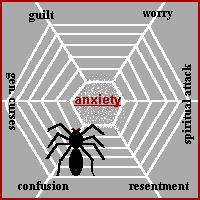 A Christian friend once told me, “Well, why even talk about feelings, because you can’t trust them anyway. The Bible says, Have faith and don’t trust your feelings.” Well, that’s not really a healthy attitude at all, because feelings are real. Denial is all of these repressed and stuffed emotions, and part of sobriety and getting better means that all of a sudden all of the pain that has been pushed down. And anger, and everything else that has been there, is going to start rising to the surface, and these people will start feeling depression and loneliness and fear. And we need to be prepared to hear those things and to respond to them in a supportive, kind way. It doesn’t mean that — and some of those feelings are not accurate at all, but still need to be respected and accepted. It has to be there.
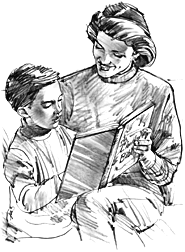 to survive in a home devoid of healthy parental love, limits, and consistency, they must develop “survival skills” very early in life. In a chaotic, dysfunctional family, the lack of external control through consistent loving disciple results in an inability to develop internal discipline and self control. They learn not to depend on their parents to meet their needs – instead, it is all up to themselves. And, because they can’t trust their own parents, they become generally suspicious and mistrustful of all human beings. Yet, they are defenseless against the projection of blame and often feel responsible for parents’ addiction. They become “little adults” that feel compelled to accept responsibilities well beyond their years.