Does Scripture Permit Us to Drink Alcoholic Beverages?
Few issues have generated more heated debate among Christians than that of the morality of alcohol consumption. The dispute has generated responses ranging from local educational temperance movements to federal amendments to the U.S. Constitution.
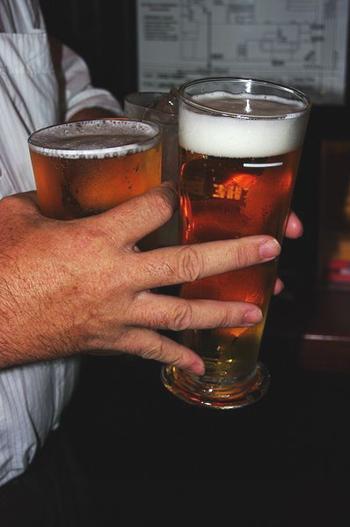
Certainly there is evidence of widespread abuse of alcoholic beverages today; this few would deny. Furthermore, the Bible clearly condemns all forms of alcohol abuse, by binding precept and by notorious example. Yet the ethical issue before us is, Does the Bible allow for a righteous consumption of the beverage alcohol? The fundamental question is ethical, not cultural or demographical; it requires an answer from a Biblical, not an emotional, base.
Three Viewpoints
Among evangelicals, the fundamental approaches to alcohol use may be distilled (no pun intended) into three basic viewpoints.
(1) The prohibitionist viewpoint universally decries all consumption of the beverage alcohol. Adherents to this position do not find any Scriptural warrant for alcohol consumption, even in Biblical times.
(2) The abstentionist perspective discourages alcohol use in our modern context, though acknowledging its use in Biblical days. They point to modern cultural differences as justification for the distinction: widespread alcoholism (a contemporary social problem), higher potency distilled beverages (unknown in Biblical times), and intensified dangers in a technological society (e.g., speeding cars).
(3) The moderationist position allows for the righteous consumption of alcoholic beverages. This position, while acknowledging, deploring, and condemning all forms of alcohol abuse and dependency, argues that Scripture allows the partaking of alcoholic beverages in moderation and with circumspection.
Does Scripture Permit Us to Drink Alcoholic Beverages? Read More »

 people prefer the ‘good old days’ when they were more compliant and self-sacrificing. Unpleasant emotions, once medicated with addictive substances or processes, may be experienced as threats to relationships that have adapted over the years to the insanity of addiction. Some people in recovery experience hostility when they start telling the truth in social systems which have been committed to silence for generations. Other people experience shame and rejection when people are skeptical about or merely uncomfortable with the changes that recovery brings.



 Recovery involves the entire person: spiritual, physical, emotional and mental. You can recover from abuse, addiction, eating disorders, anxiety, shame, guilt, anger, alcoholism, codependency, suffering, grief, depression and more!